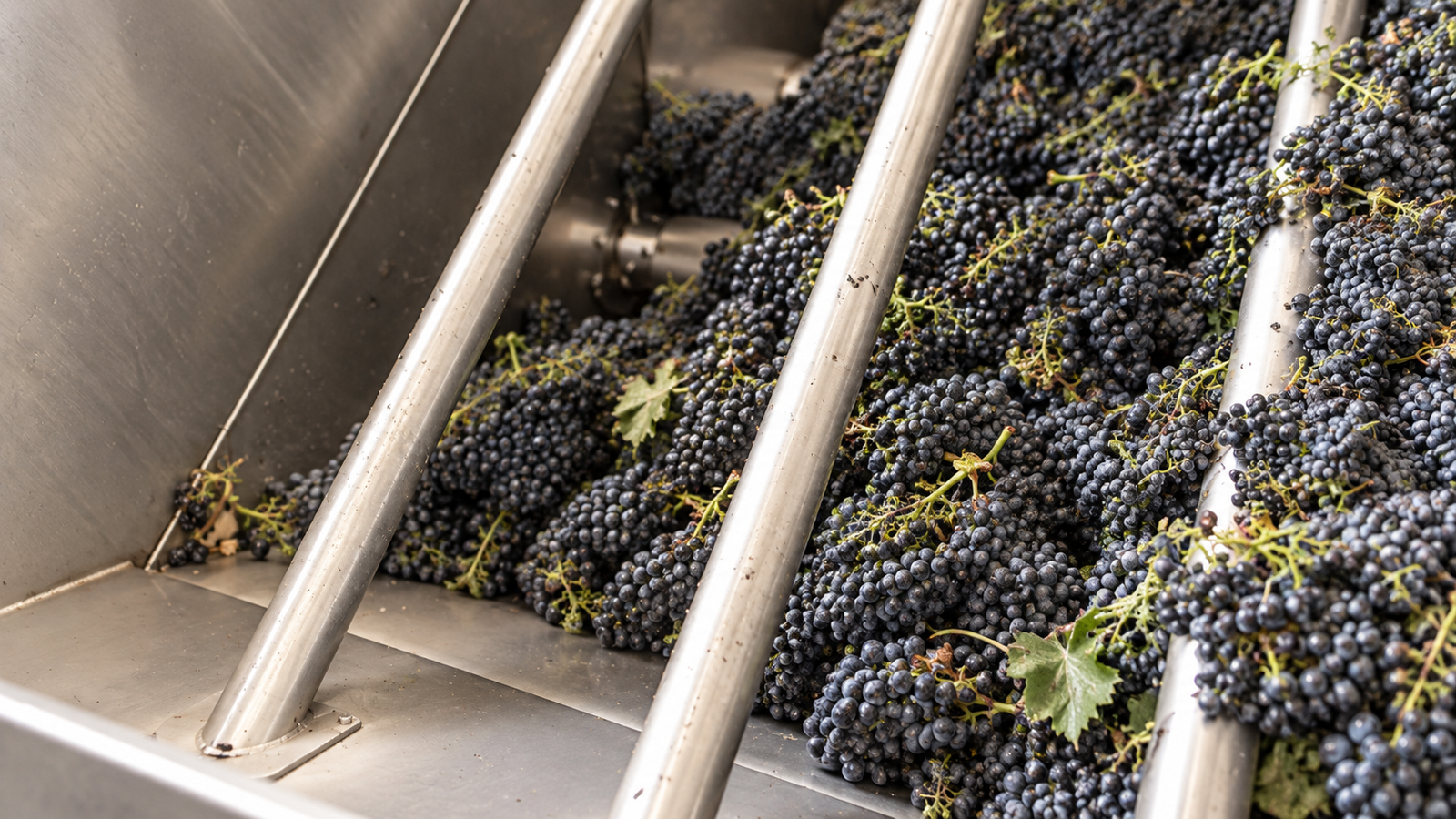
Selected grapes
The process begins with grapes selected for balance and freshness. On arrival at the cellar, the fruit is prepared for pressing so its juice can begin a precise, controlled transformation.
The process begins with grapes selected for balance and freshness. On arrival at the cellar, the fruit is prepared for pressing so its juice can begin a precise, controlled transformation.
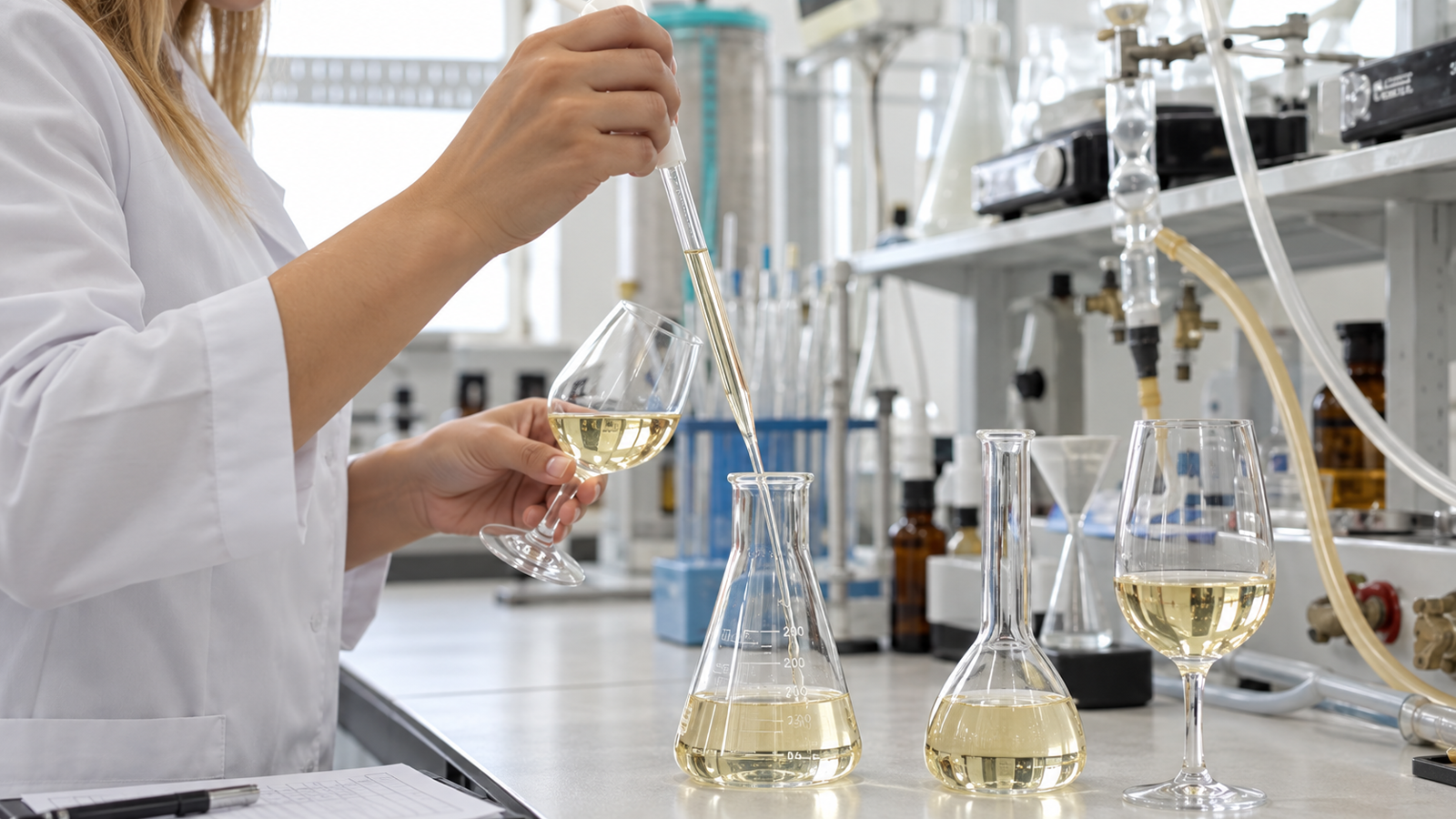
The juice undergoes its first fermentation to become a still base wine. The cellar team assesses its clarity, freshness and balance before the next stage begins.
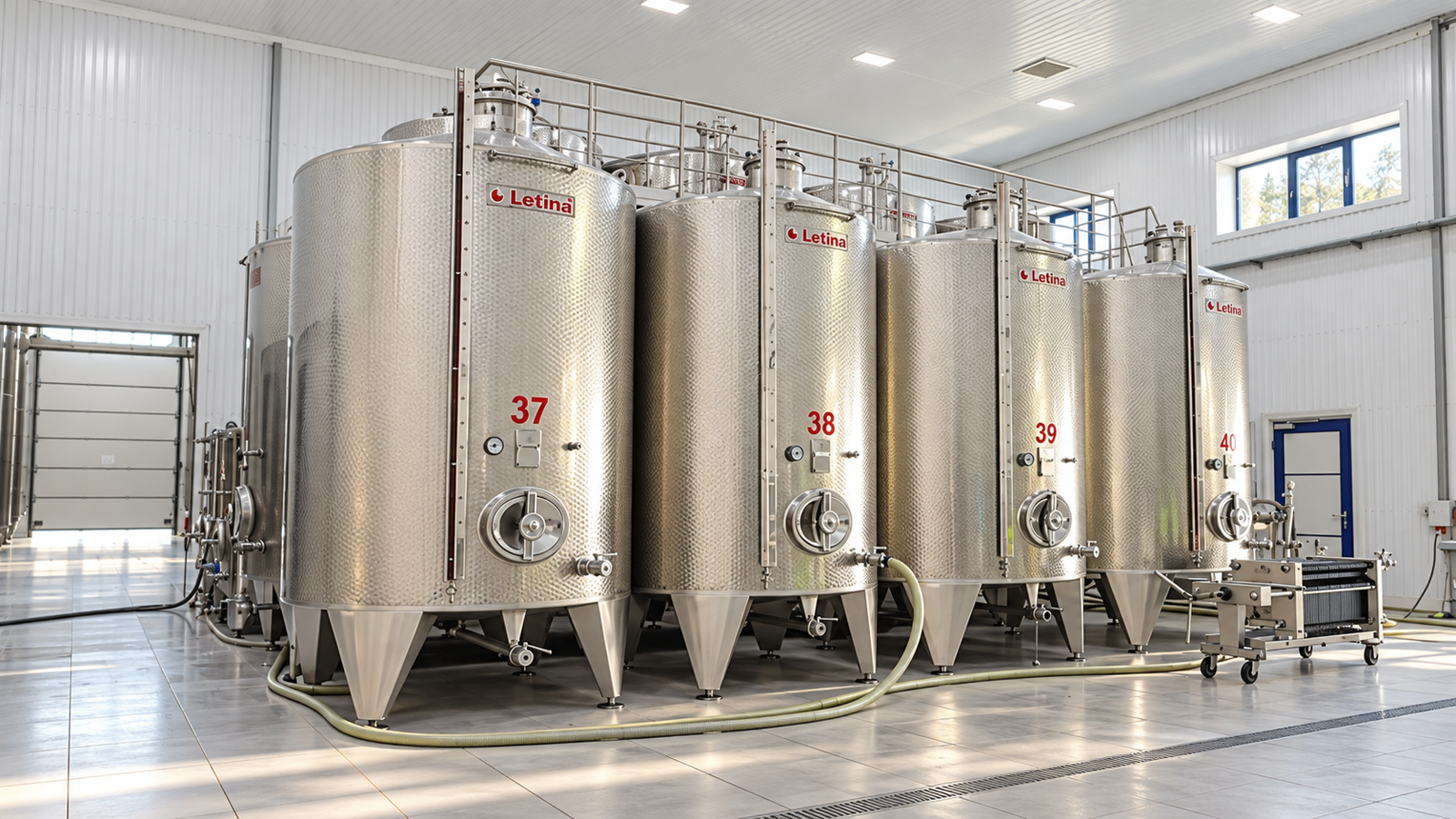
The base wine is transferred into pressure-rated stainless steel tanks. Their closed, controlled environment is the defining vessel of the Charmat method.
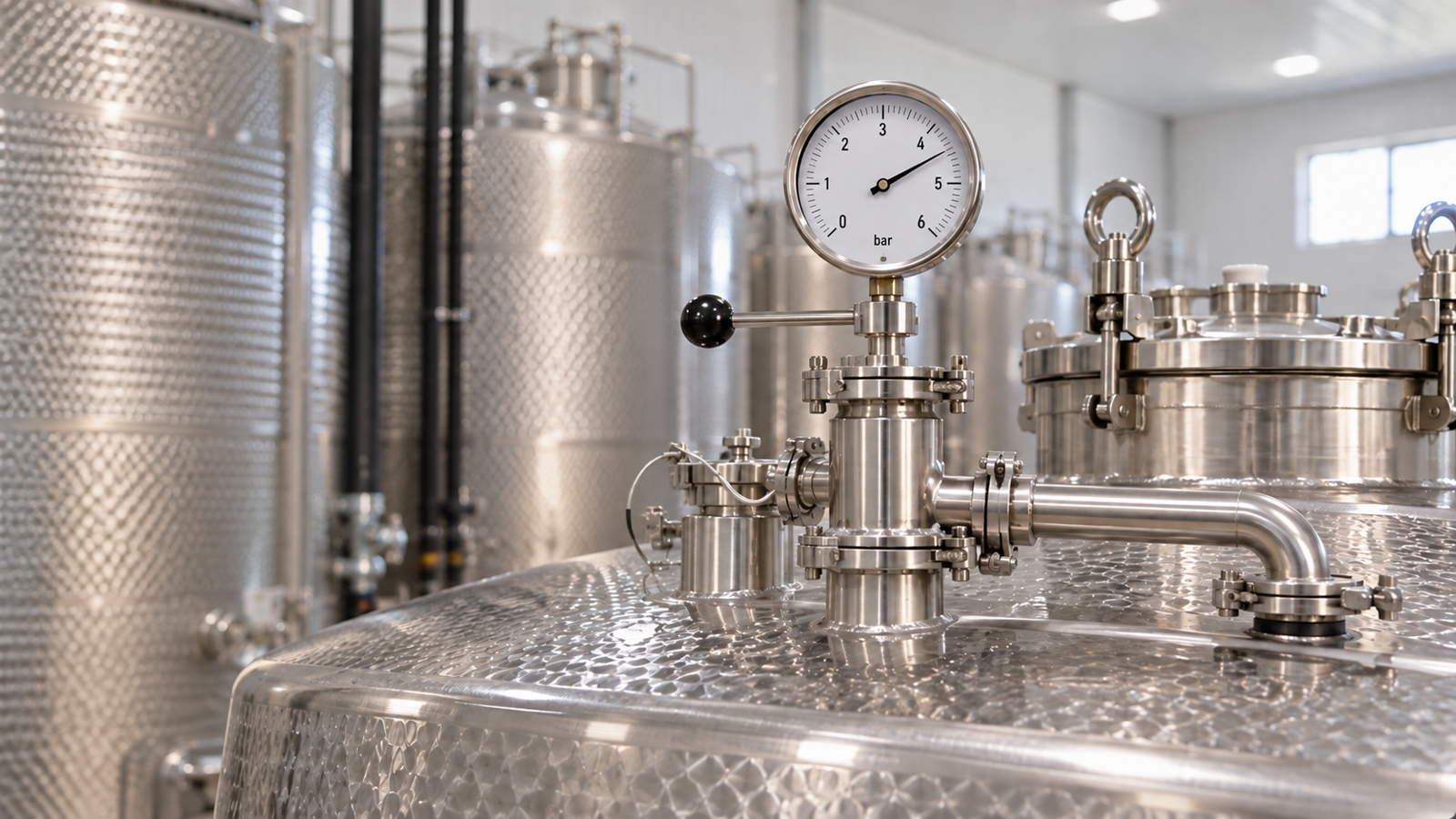
Yeast and sugar begin a second fermentation inside the sealed tank. The carbon dioxide produced cannot escape, so it dissolves into the wine and forms its natural sparkle.
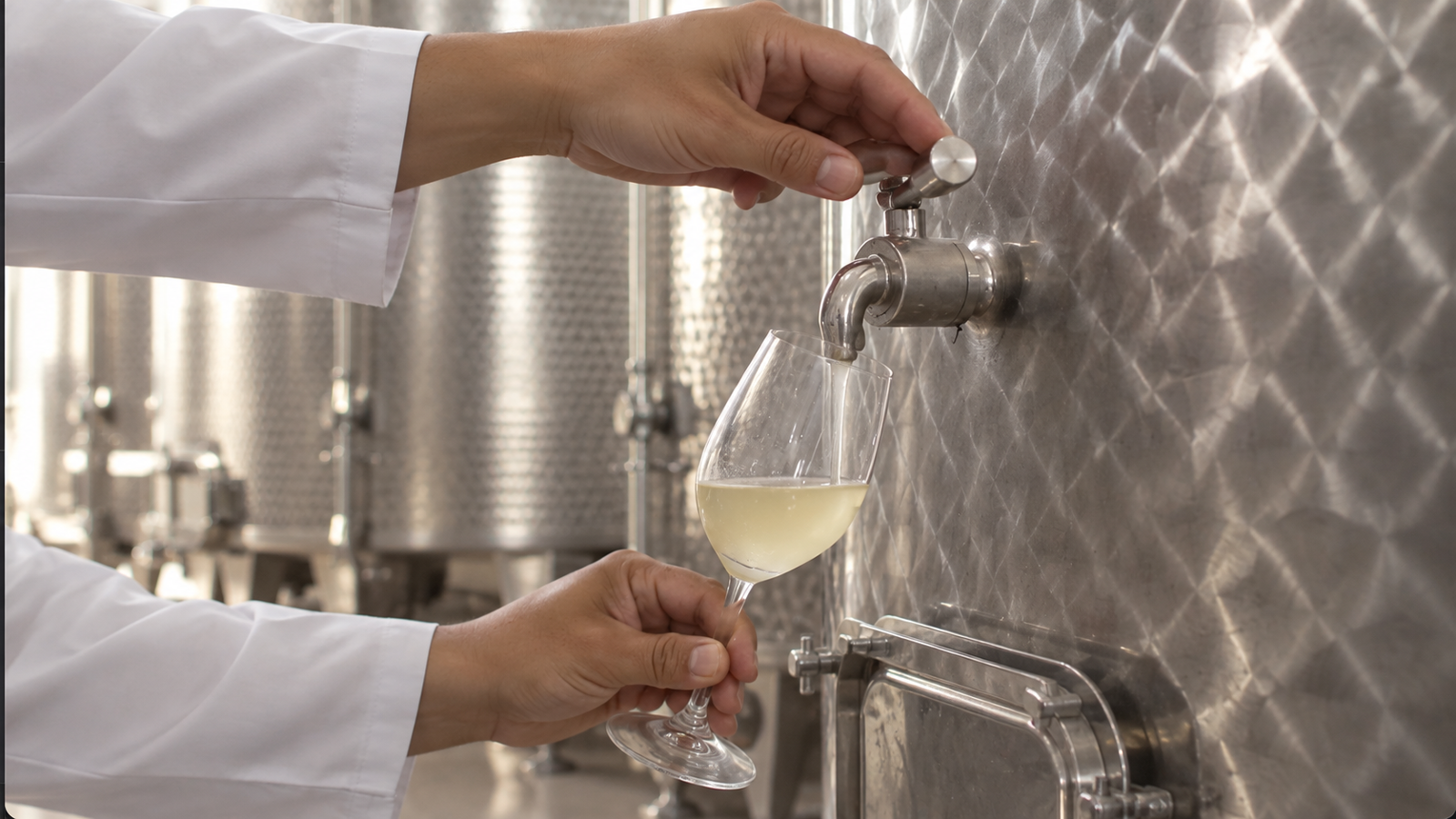
The wine remains in contact with its lees for a carefully controlled period. This stage can build texture and integration while the tank helps preserve a bright, fruit-led character.
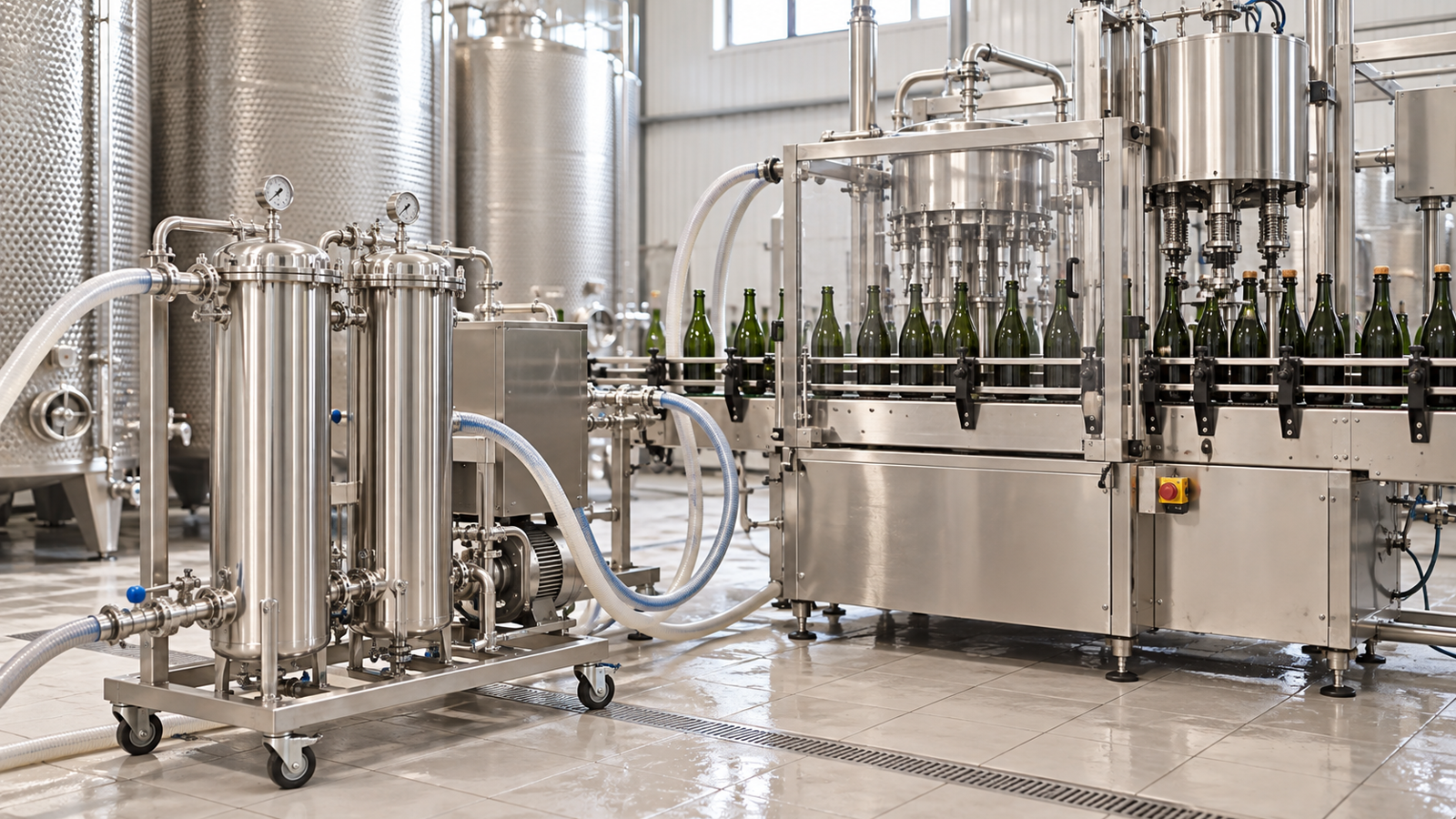
When the desired balance is reached, the sparkling wine is clarified and prepared for bottling. It is bottled under pressure so the bubbles formed in the tank are retained through to the glass.